Atmospheric Apex of the Pacific
Rising to 4,207 meters (13,796 feet) above sea level in the middle of the Pacific Ocean, Mauna Kea is one of the premier astronomical observation sites in the world. Its location above 40% of Earth's atmosphere and 90% of atmospheric water vapor provides exceptionally steady seeing conditions with minimal atmospheric light scattering.
World-Renowned Scientific Infrastructure
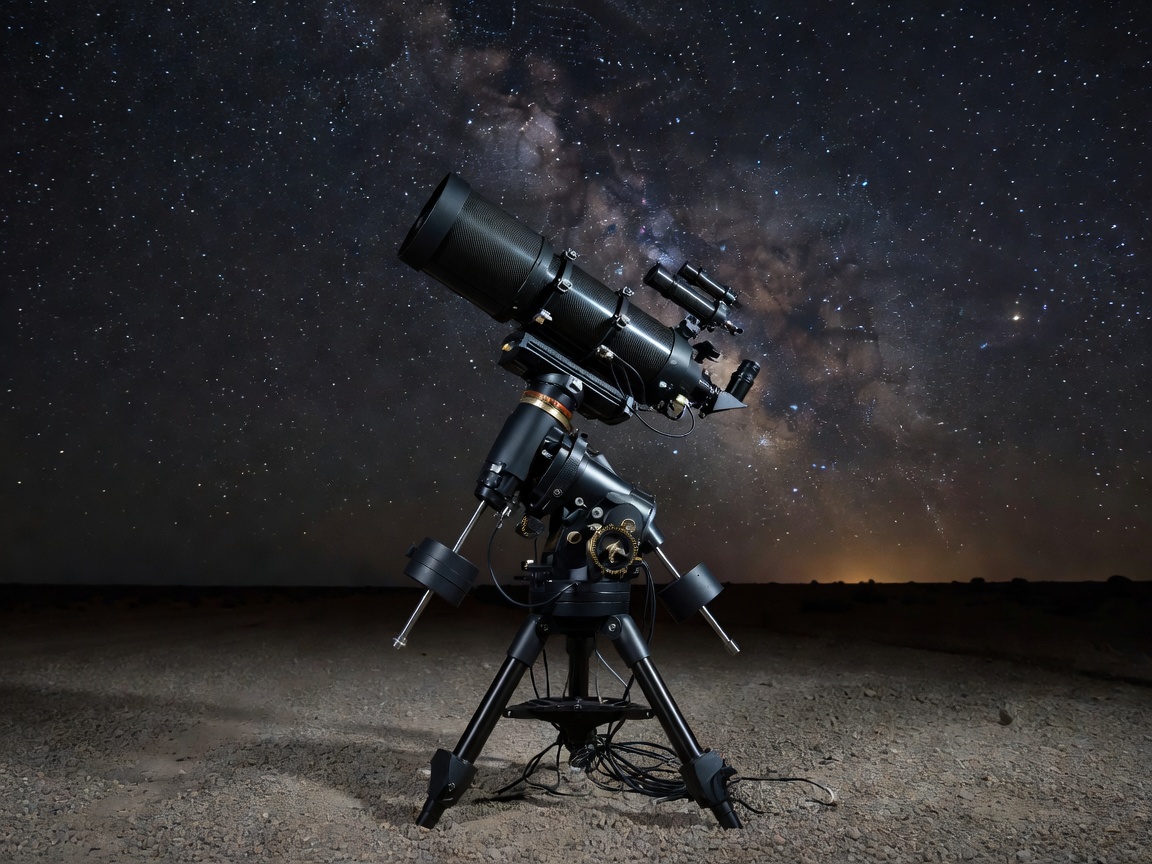
The summit complex houses 13 giant optical, infrared, and submillimeter telescopes, including the twin 10-meter W. M. Keck Observatory telescopes, the 8.2-meter Subaru Telescope, and Gemini North. Portable amateur imaging setups staged at the Ellison Onizuka Visitor Information Center (2,800m level) benefit from this pristine tropical air inversion.
High-Altitude Field Protocols
- Altitude Acclimatization: Mandatory 60-minute altitude stops at the visitor center (2,800m) are required before ascending higher to prevent altitude sickness.
- Sub-Freezing Thermal Shielding: Summit temperatures routinely drop below freezing at night; use specialized thermal battery wraps and dew heaters for electronics.
- Equatorial Horizon Span: Positioned at 19° N latitude, observers can view 85% of the entire celestial sphere throughout the year.
Site Specifications
Bortle Class Rating
Class 1 (Pristine High-Altitude)
Coordinates
19.8207° N, 155.4681° W
Elevation
4,207 m / 13,796 ft
Average Clear Nights
300 per year
Best Season
Year-round (Nov-Apr optimal seeing)
SQM Reading
21.95 mag/arcsec²