Understanding Atmospheric Seeing
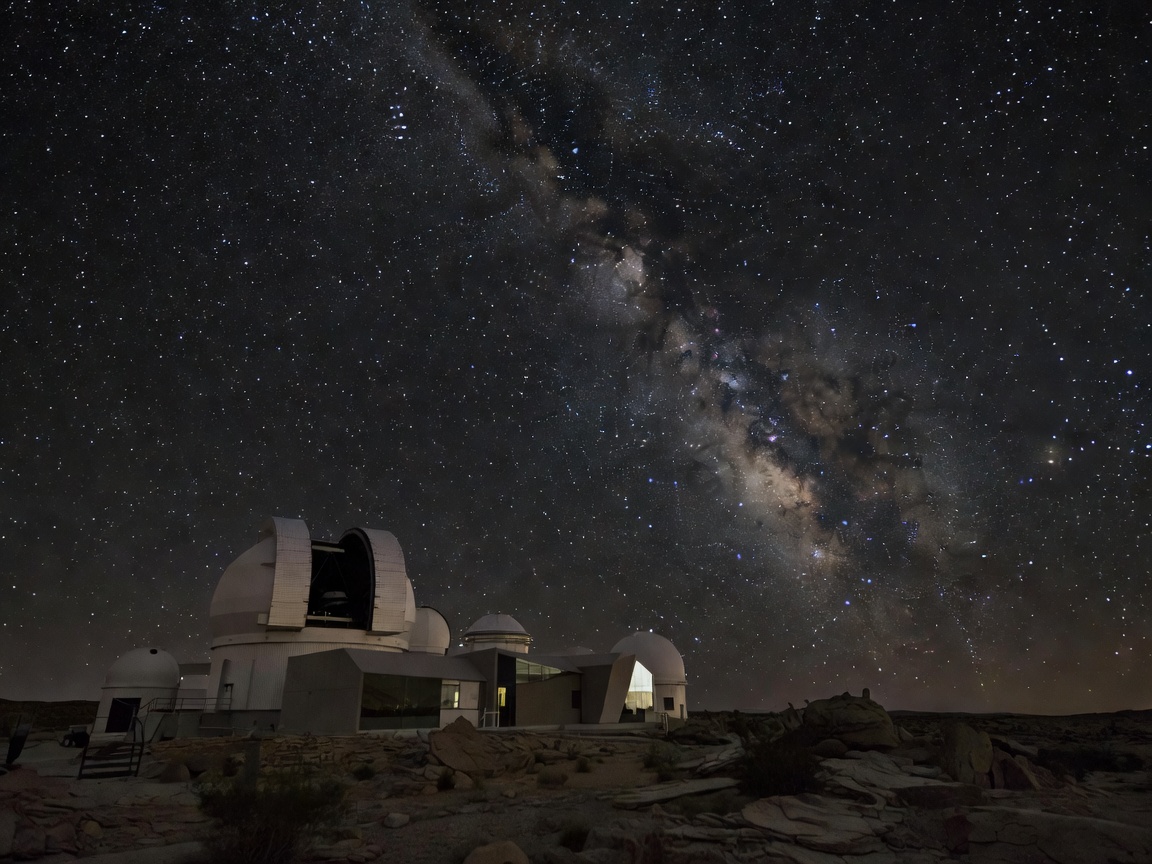
Even under perfectly dark skies, atmospheric turmoil can turn crisp pinpoint star images into boiling, blurry blobs. Understanding the difference between atmospheric seeing and transparency is essential for selecting optimal observation nights.
Seeing vs Transparency
- Atmospheric Seeing: Refers to the thermal stability of air layers. Poor seeing is caused by jet stream shear and thermal plumes rising from ground surfaces, smearing fine planetary detail.
- Atmospheric Transparency: Refers to the clarity of air, dictated by humidity, smoke particles, and high cirrus haze. High transparency allows faint nebulae to stand out sharply against deep dark background sky.
The Pickering Scale
Visual astronomers rate seeing on the Pickering Scale from 1 (worst, boiling airy disk) to 10 (perfect, stationary diffraction rings). Planetary observers require Pickering 7 or higher, while deep-sky wide-field observers prioritize high atmospheric transparency over seeing stability.