Geminids Meteor Shower Peak 2026
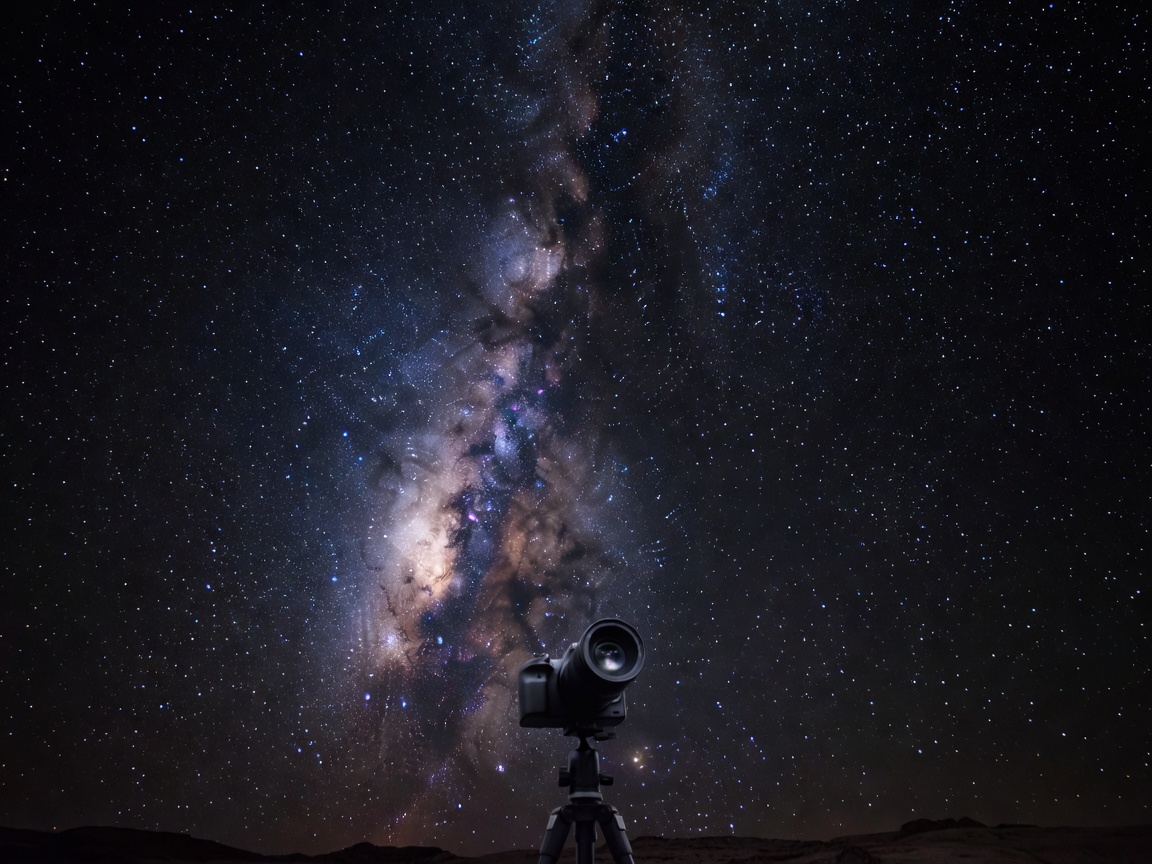
Widely regarded by meteor scientists as the most reliable annual meteor shower, the Geminids hit their maximum on the night of December 13 through the morning of December 14, 2026. Originating from the Apollo asteroid 3200 Phaethon rather than a comet, Geminid meteors are dense, rocky particles that enter the atmosphere at a relatively moderate 35 km/s, resulting in long, colorful, glowing trails.
Peak Viewing Metrics
Peak Date: Night of December 13 to morning of December 14, 2026
ZHR (Zenithal Hourly Rate): 120+ meteors per hour
Radiant Point: Constellation Gemini near Castor (RA 07h 28m, Dec +32°)
Meteoric Colors: Yellow, green, blue, and vivid white fireballs
Why Geminids Excel Under Dark Skies
Unlike many meteor showers whose radiants rise only after midnight, the Gemini constellation rises near sunset, allowing observers to see "earth-grazer" meteors early in the evening before high hourly rates commence after 10:00 PM local time.
Field Protocols for Winter Stargazing
Because the Geminids occur in mid-December in the Northern Hemisphere, maintaining physical warmth is essential for extended observational sessions:
- Reclining Chairs & Dew Shields: Use zero-gravity recliners elevated off frozen ground, and keep optical lenses warmed with USB heating strips to avoid frost buildup.
- Dark Adaptation: Allow at least 30 minutes for your pupils to fully dilate, utilizing red LED headlamps to maintain scotopic night vision.