Perseid Meteor Shower Peak 2026
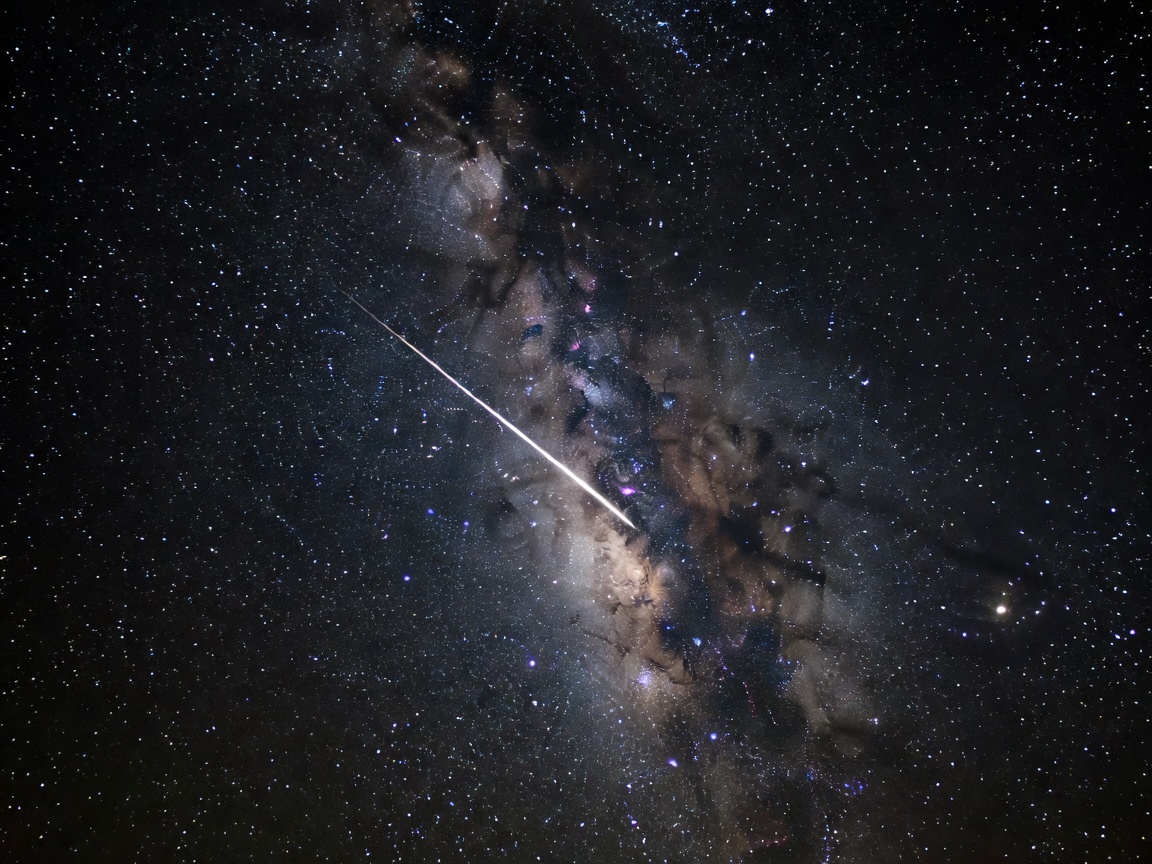
The 2026 Perseid meteor shower promises to be one of the premier visual events of the decade. Occurring when Earth passes through the dust stream left behind by Comet 109P/Swift-Tuttle, the meteors vaporize at 59 kilometers per second in Earth's upper atmosphere, generating brilliant streaks and lingering ionization trails.
Peak Viewing Window Telemetry
Peak Date: Night of August 12 through dawn of August 13, 2026
ZHR (Zenithal Hourly Rate): ~100 meteors/hour
Moon Phase: New Moon / 3% Waxing Crescent (Ideal dark sky contrast)
Radiant Point: Constellation Perseus (RA 03h 04m, Dec +58°)
Why 2026 Offers Exceptional Conditions
The crucial variable for any meteor shower is the phase of the Moon. In 2026, the Moon reaches its new phase right during the peak window, ensuring zero lunar glare across northern hemisphere skies. Observers located in Bortle 1 or 2 sites will experience maximum sky contrast, rendering fainter magnitude +4 and +5 meteors visible.
Astrophotography Capture Strategy
To capture meteor streaks successfully:
- Lens Selection: Use an ultra-wide angle lens (14mm to 24mm) with a fast aperture of f/1.8 or f/2.8.
- ISO Settings: Set your camera between ISO 3200 and ISO 6400 depending on sensor noise characteristics.
- Exposure Time: Keep exposures to 15-20 seconds to avoid star trailing while maximizing meteor exposure probability.
- Intervalometer Setup: Set a continuous loop of exposures overnight to capture unpredictable fireball events.